
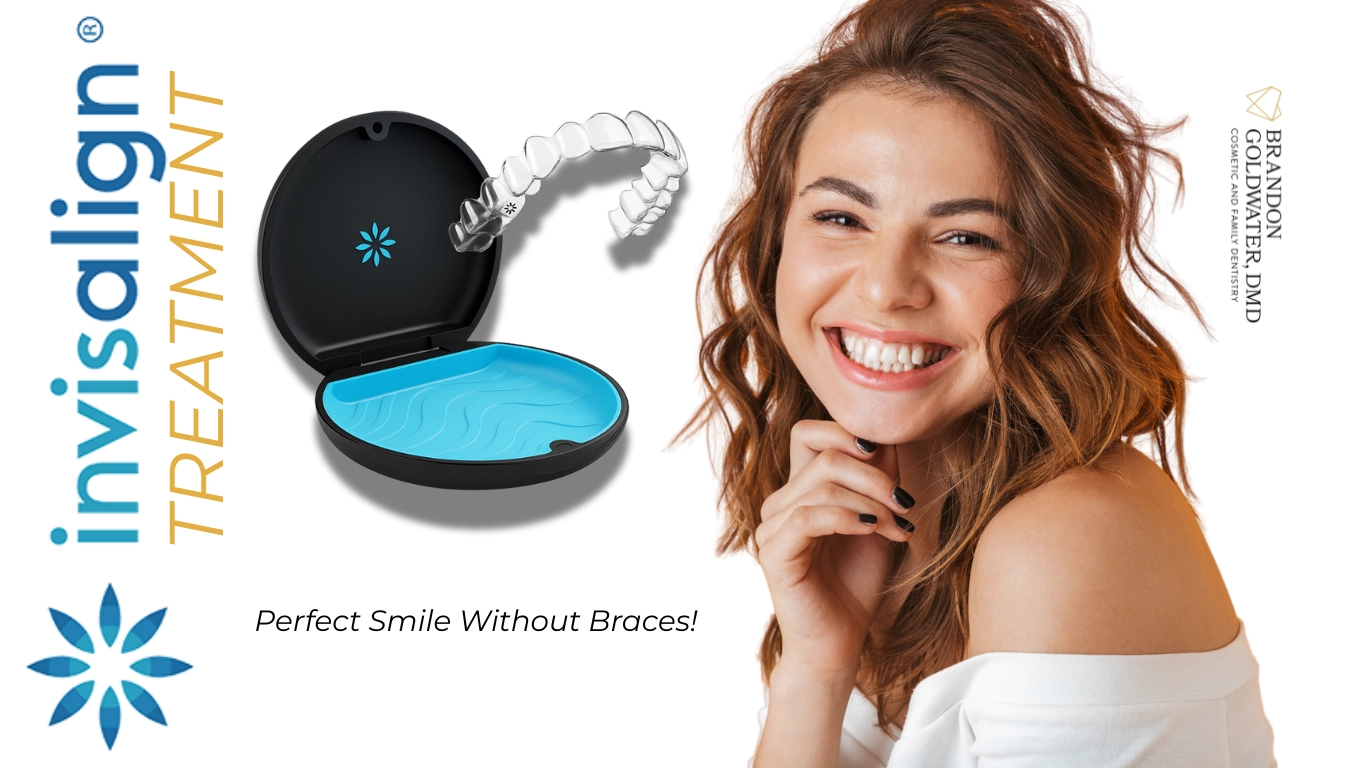
What Is the Most Painful Stage of Invisalign? in Jenkintown, PA
If you’re searching for “Invisalign near Me” and considering starting your treatment, it’s normal to wonder whether Invisalign hurts and which part of the process is the most uncomfortable. The great news is that Invisalign is widely known as one of the most comfortable orthodontic options available today—especially when compared to traditional braces. Still, because Invisalign moves your teeth, you may experience moments of mild pressure.
This blog explains which stage can feel the most painful, why it happens, and how to manage it without worry. We also share how Dr. Michael Weiss and Dr. Brandon Goldwater help patients in Jenkintown, PA enjoy smoother, easier, and more predictable treatment from start to finish.
Does Invisalign Hurt? What Most Patients Experience
Invisalign does not usually cause sharp or severe pain. What most patients describe is a temporary pressure sensation, especially when switching to a new aligner. This pressure is a positive sign that the aligner is working and your teeth are moving closer to their ideal positions.
Unlike braces, Invisalign does not involve metal wires, poking brackets, or sudden tightening appointments. This makes the treatment significantly more comfortable and easier to adapt to.
Because of this, many people who search for “Invisalign near Me” choose Invisalign for its comfort, convenience, and discreet appearance.
So, What Is the Most Painful Stage of Invisalign?
Most patients agree that the most uncomfortable moment is the first day of wearing a new aligner, especially early in treatment. Each set of aligners is designed with small adjustments to continue the movement of your teeth. When you place a new aligner, it applies gentle pressure that you’ll notice most within the first 12–24 hours.
Why does this happen?
- Your teeth are beginning a new stage of movement.
- The new aligner introduces pressure to guide the teeth toward the next position.
- Your mouth is simply adjusting to the updated fit.
The important thing to remember is that this discomfort is mild, temporary, and manageable. Most patients report that it fades significantly within one or two days.
Are the First Weeks More Uncomfortable?
A bit. During the first few weeks, the pressure may feel more noticeable only because you are not yet used to the sensation. However, once your mouth adapts, patients typically find that future aligner changes feel much easier.
Dr. Michael Weiss and Dr. Brandon Goldwater provide guidance that helps patients transition smoothly during these early stages so they know exactly what to expect.
Tips to Make the Most Painful Stage More Comfortable
- Switch to new aligners at night. This allows the first few hours of pressure to happen while you sleep, making the transition more comfortable.
- Wear your aligners for the recommended 22 hours per day. Not wearing them enough allows your teeth to shift back slightly, which can make the next aligner feel tighter than necessary.
- Stay hydrated. A dry mouth can make any pressure feel more noticeable.
- Use orthodontic wax or comfort tools if needed. Although uncommon, some patients experience mild tongue sensitivity. Wax or aligner chewies can provide quick relief.
- Choose experienced providers. Precise planning ensures smoother, more predictable movement.
At the Jenkintown office of Dr. Michael Weiss and Dr. Brandon Goldwater, advanced digital technology is used to design a treatment that works efficiently with minimal discomfort.
How Do the Doctors Ensure a Comfortable Treatment Process?
Dr. Weiss and Dr. Goldwater monitor progress closely using detailed scans, digital tracking, and professional experience. This allows them to:
- Adjust treatment if a tooth responds more slowly,
- Prevent unnecessary pressure,
- Create a smoother and more predictable orthodontic experience.
Their priority is to keep you informed so you always feel confident and comfortable during every stage.
When Should You Call the Office?
While discomfort with Invisalign is usually mild, you should reach out to the office if:
- Pain does not improve after 2–3 days, or
- An aligner feels like it doesn’t fit correctly.
Most issues are simple and easy to fix with a quick appointment.
To schedule a visit, contact (267) 763-1500.
Conclusion: Invisalign Is Comfortable, Gentle, and Highly Effective
Although the first day with a new aligner is considered the “most painful” part of Invisalign, the discomfort is mild, temporary, and completely normal. Most patients describe Invisalign as much more comfortable than braces, and the pressure they feel is simply a sign that the treatment is working.
If you’re searching for “Invisalign near Me” in Jenkintown, PA, the expert team of Dr. Michael Weiss and Dr. Brandon Goldwater is ready to guide you through a smooth, personalized treatment experience using the latest technology and a caring approach.
Call (267) 763-1500 today to schedule your Invisalign consultation.
FAQs
- Is it normal to feel pain throughout the entire Invisalign treatment? No. Most patients only feel mild pressure during the first 24–48 hours of each new aligner. After that, the sensation fades, and the treatment becomes very comfortable. Invisalign is specifically designed to move teeth gently and gradually.
- Can I take pain relievers if my aligners feel uncomfortable? Yes. Over-the-counter pain relievers may help during the first day of a new aligner, but most patients do not need them. The pressure is usually mild, and discomfort decreases naturally.
- What happens if I don’t wear my aligners enough? If you wear them for less than 22 hours per day, your teeth may shift backward, causing extra tightness when you put the aligners on again. This can also extend your total treatment time.
- Does Invisalign hurt more than metal braces? No. Invisalign is known to be more comfortable than braces because it doesn’t use metal wires or brackets. The pressure during tooth movement is gentler and more evenly distributed.
- How often do I switch aligners, and does it hurt every time? You’ll usually switch aligners every 7–14 days. Each new aligner may cause mild pressure within the first day, but it is temporary, normal, and manageable.